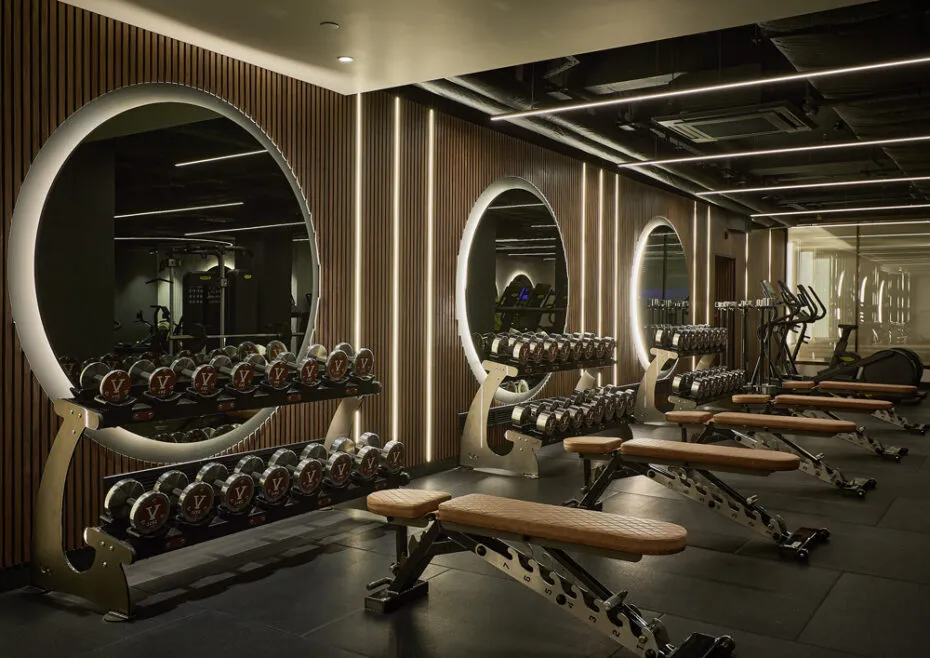
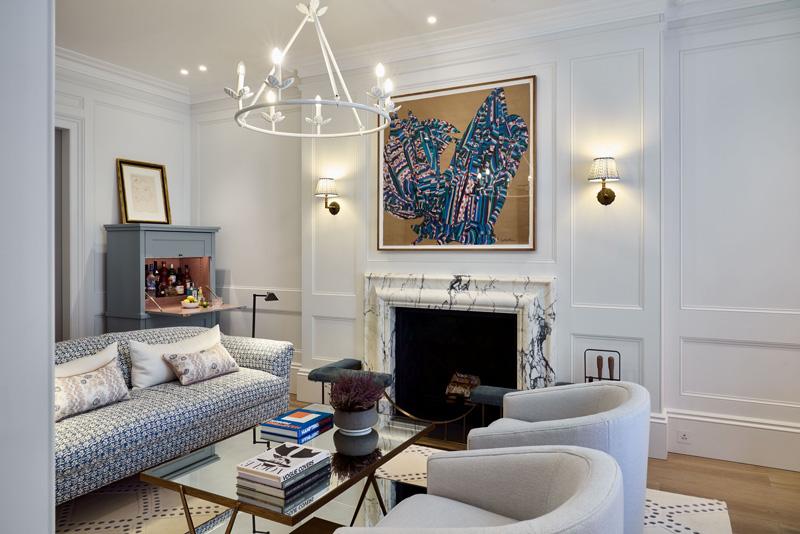
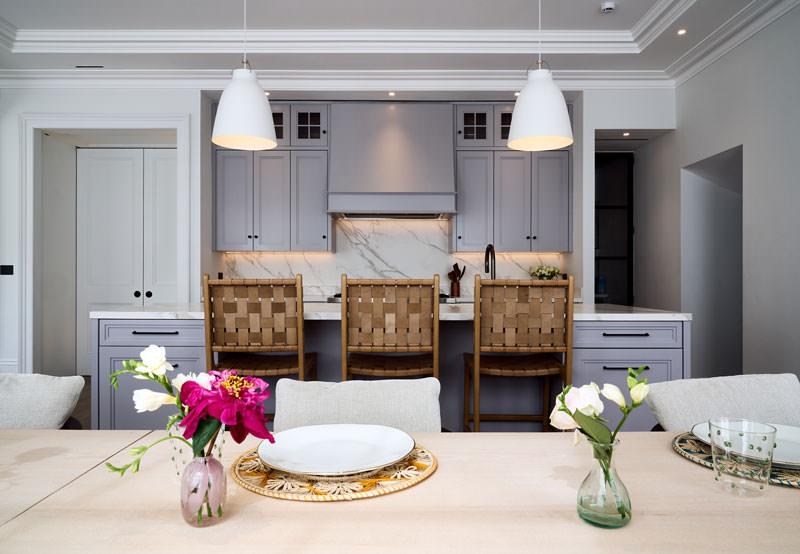
Some of the most beautiful yet challenging projects involve lighting heritage buildings. The biggest complication is preserving and respecting the elements of the building which make the location significant, whether that is the structure, an artifact, or an architectural or historical feature.
Here are Truly Lighting’s top tips on how to create sympathetic lighting schemes for heritage projects:
Select discrete products
The most important thing to consider is minimising the impact on the significant features of the building. Having a traditional location with obvious modern lighting which does not match the design can take away from the aesthetic of the space. Choosing an authentically designed product, while bringing in modern technology for energy efficiency and quality, is key. LED lighting is much more efficient and high-quality than traditional fixtures, therefore selecting small discrete lights or trimless options allows the lighting effect to be the star of the show rather than the fixture itself.
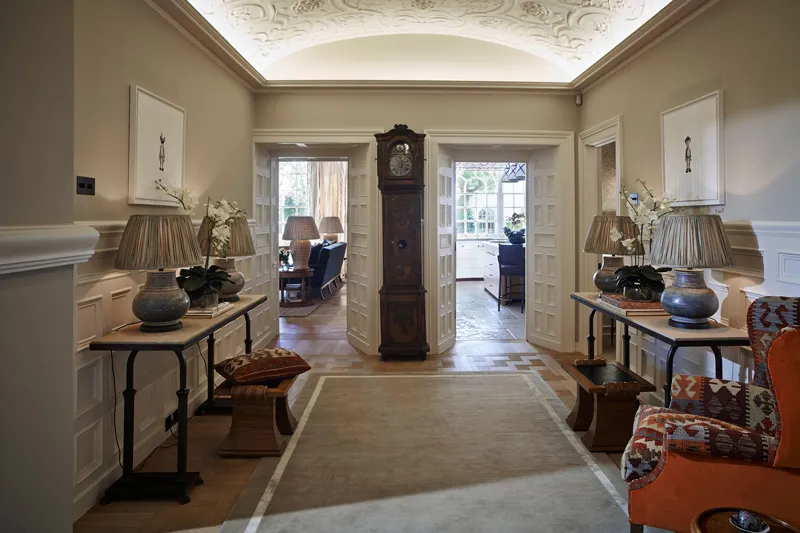
Be mindful when mounting
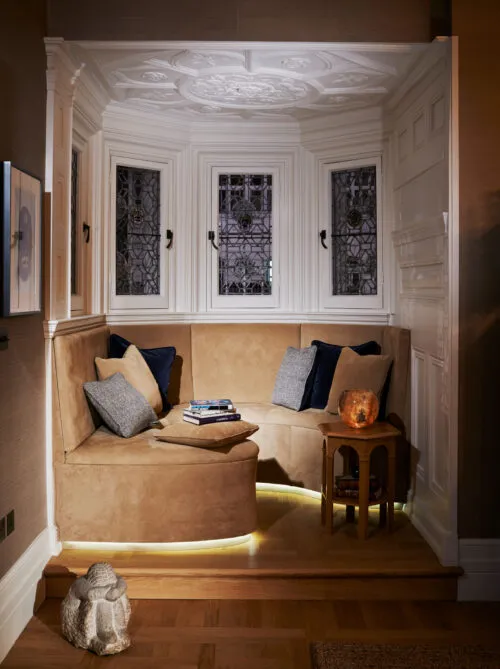
The lighting installation should be mindful not to impact the structure of the building and be reversible without causing any damage. Consider mounting in locations that aren’t part of a protected architectural feature and won’t take away from the overall structure or design. Each building will be different, so take into consideration where the best mounting location is – the walls, the ceiling, suspended, track, or surface mounted. Minimalise cabling as much as possible to allow the fixtures to blend seamlessly with the design.
Choose clever controls
Install a simple lighting control solution for the end user to be able to set scenes, colours, temperature and dimming levels to meet their needs without having to upgrade or alter the lighting fixtures. Smart controls such as dimming, motion sensors and daylight sensors can ensure energy efficiency and cost savings. Wireless controls reduce the need for more complex cabling, allowing the design to remain clean while having the ability to complete sophisticated operations.
Minimise maintenance
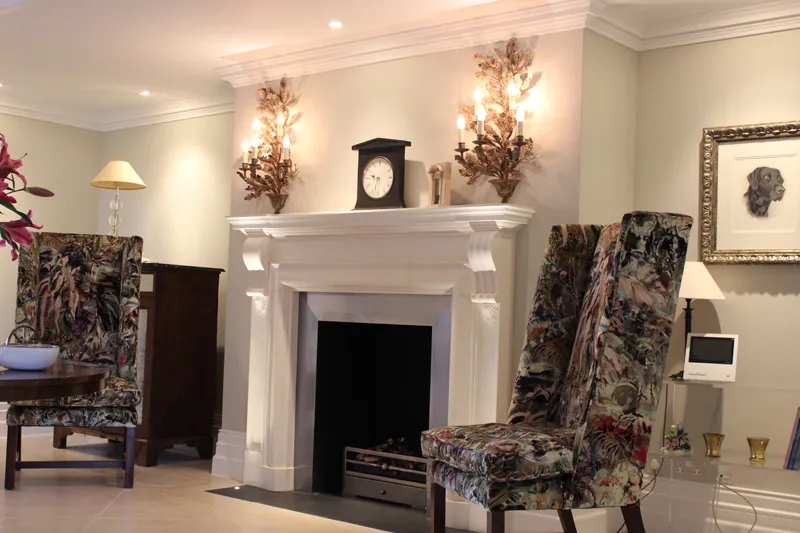
Where possible, upgrading the existing luminaires of heritage lighting with modern LED retrofits allows the unique and original designs to carry on their legacy for longer. Where a full replacement is needed, it is important to consider a design, material and quality which will be long-lasting. The aim is to prevent maintenance, reducing disruption to the heritage site as much as possible. Choose products which are made to last, to reflect the longevity of the building itself.
These are just some of the key considerations to make when deciding which lighting solutions will be best for a heritage design. For your next heritage project, contact Truly Lighting to see how we can make a difference in your sympathetic lighting design.